Review: Believe 3D Christmas SVG for Embroidery
As a designer who has spent years digitizing patterns and testing files on everything from flimsy silk to heavy denim, I approach every new machine embroidery design with a healthy dose of skepticism. We have all been there: you download a file that looks crisp on the screen, only to find it turns into a bird’s nest of thread breaks and puckering once it hits the hoop. That is why I took a close look at the Believe 3D Christmas Svg to see if it holds up under the needle. This is not just about aesthetics; it is about whether this digital embroidery file can survive the rigors of real-world production for a craft business.
First Impressions and Visual Personality
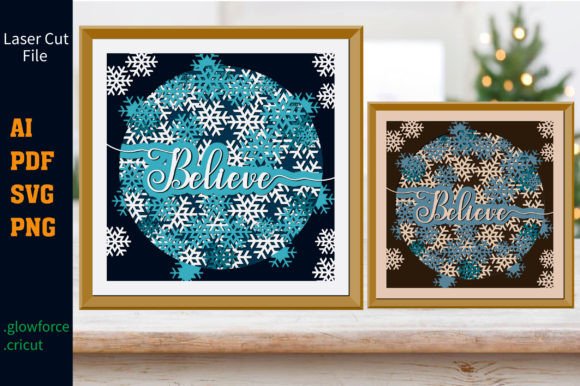
The first thing that strikes me about the Believe 3D Christmas Svg is its bold, declarative nature. The word "Believe" carries significant weight during the holiday season, evoking nostalgia and warmth. Visually, the design leans into a dimensional aesthetic. When we talk about a 3D SVG in the context of embroidery, we are often looking at how the layers interact or how the design mimics depth through shading and structure. This particular asset presents a clean, modern silhouette that avoids the clutter often found in traditional holiday motifs.
The layout feels balanced, which is crucial for embroidery projects where symmetry affects the final drape of the fabric. It does not scream for attention with excessive ornamentation; instead, it offers a sophisticated simplicity. This makes it versatile. It feels equally at home on a rustic burlap sack as it does on a sleek, modern tote bag design. For an Etsy seller or a boutique owner, this versatility is key. You want a design that appeals to a broad audience without feeling generic.
Real-World Application: The Sweatshirt Test
To truly evaluate an embroidery file, you have to imagine it on a product. I visualized this design centered on the chest of a high-quality, heavyweight cotton sweatshirt. This is a staple item for any small shop product line during Q4. The Believe 3D Christmas Svg works exceptionally well here because the lettering appears substantial enough to hold its shape against the textured surface of fleece or French terry cloth.
In this scenario, the design acts as the hero element. Because it is a statement piece, it does not require additional filler graphics. This simplifies the stitching process and reduces machine time, which is vital for maintaining profit margins in commercial embroidery. If I were producing these for a client, I would likely opt for a classic red or forest green thread to contrast against a heather grey or cream garment. The clarity of the shapes ensures that the message remains legible even from a distance, enhancing the finished product's visual appeal.
Considerations for Smaller Items
However, not every application is as forgiving as a sweatshirt. If you are considering this for baby embroidery on a onesie or a small personalized gift like a napkin set, you must proceed with caution. The term "3D" implies depth, which can sometimes translate to higher stitch density or complex layering in the digital file. On thin, stretchy fabrics, a dense design can cause puckering if not properly stabilized.
For smaller hoops, such as a 4x4 inch frame, you need to verify the scale. If the design includes intricate details or tight corners, they may get lost or cause thread breaks on smaller scales. I always recommend running a test stitch on scrap fabric of the same type you intend to use for the final item. This allows you to check if the satin stitch edges are smooth or if the fill stitch areas are too dense for the material.
Fabric and Stabilizer Dynamics
The success of any embroidery project relies heavily on the interaction between the thread, the fabric, and the stabilizer. With the Believe 3D Christmas Svg, the choice of stabilizer is non-negotiable. For knit fabrics like t-shirts or sweatshirts, a cut-away stabilizer is essential to prevent the design from distorting after washing. For woven fabrics like canvas tote bags or aprons, a tear-away might suffice, but given the potential weight of a 3D-style design, I would lean toward a medium-weight cut-away to ensure longevity.
Fabric texture also plays a role. On highly textured materials like wool or terrycloth, the fine details of the design might sink into the pile. In such cases, using a water-soluble topping can help the needle penetrate cleanly and keep the stitches sitting on top of the fabric. This is particularly important for maintaining the crispness of the lettering in the Believe 3D Christmas Svg.
Commercial Viability and Brand Consistency
For creative entrepreneurs and digital product sellers, the value of a design extends beyond its look. It is about how it fits into your brand identity. This design exudes a sense of tradition mixed with modern minimalism. It fits well with brands that focus on quality, heritage, and heartfelt gifting. It is not a flashy, novelty design; it is a timeless piece that can be sold year after year.
When creating printable mockup assets for your online store, this design photographs well. Its clear lines and strong contrast make it easy to showcase in lifestyle images. Whether you are selling the handmade product itself or offering it as part of a custom apparel service, the professional appearance of the stitched output builds customer trust. A clean, well-executed embroidery job signals quality, encouraging repeat business and positive reviews.
Technical Checks Before You Stitch
Before you commit to a large production run, there are several practical steps you should take. First, confirm the file formats you receive. The product description notes that you will receive SVG, Ai, and PNG files at 300ppi. It is important to understand that SVG and Ai are vector formats, primarily used for cutting machines or graphic design, while PNG is a raster image. For machine embroidery, you typically need specific stitch files (such as PES, DST, or JEF) compatible with your machine. Since the description lists graphic formats, ensure you have the correct conversion tools or that the provider includes the necessary embroidery-specific files if intended for direct machine use. If these are strictly graphic assets for sublimation or printing, adjust your workflow accordingly.
If these are indeed intended for embroidery machines, always check the hoop size requirements. Ensure the design fits within your machine’s maximum hoop area without needing to split the design, which can complicate alignment. Additionally, review the thread colors suggested by the digitizer. While you can change them, the original colorway often provides the best contrast and depth perception intended by the designer.
Final Verdict for Makers
The Believe 3D Christmas Svg is a strong contender for your holiday collection. It offers a blend of emotional resonance and visual clarity that appeals to a wide demographic. It is particularly well-suited for custom apparel, embroidered patches, and home decor items like pillow covers. However, its success depends on your technical execution. Pay attention to stabilizer choice, test on your specific fabric types, and verify the file compatibility with your equipment.
For hobbyists and makers looking to add a touch of elegance to their holiday gifts, this design provides a solid foundation. For small business owners, it offers a reliable asset that can be scaled across various products, from kitchen towels to caps. Just remember that the digital file is only the starting point; the quality of your stitching, tension settings, and material selection will ultimately determine the value of the finished product. Approach it with preparation, and it will serve your creative endeavors well.