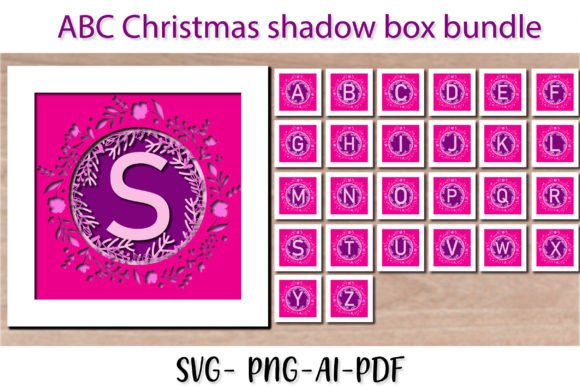
Reviewing the ABC Christmas 3D Layered Shadow Box
As a designer who has spent countless hours digitizing and testing embroidery files, I approach every new machine embroidery design with a mix of curiosity and skepticism. We have all been there: you download a file that looks stunning in the preview, only to find it turns into a puckered mess on actual fabric. That is why I took a close look at the ABC Christmas 3d Layered Shadow Box. This is not just another holiday graphic; it is a structural challenge that requires thoughtful execution. If you are an Etsy seller, a boutique owner, or a hobbyist looking to elevate your holiday embroidery game, understanding how this 3D SVG translates from screen to stitch is crucial before you commit to your next embroidery project.
First Impressions and Visual Personality
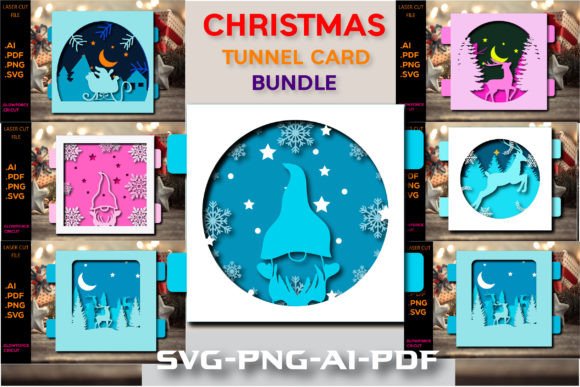
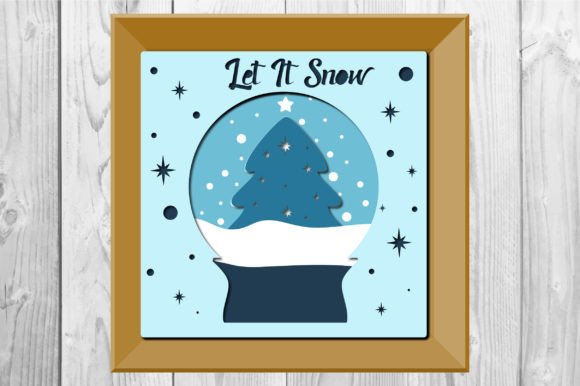
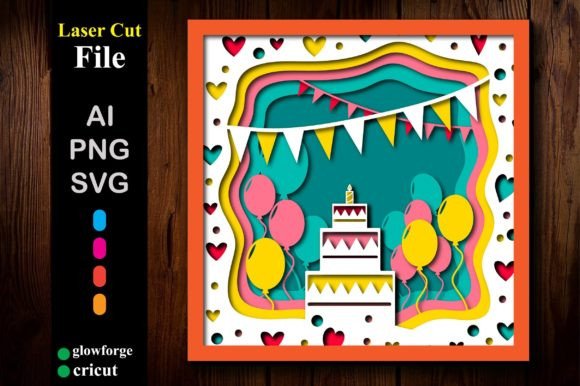
The first thing that strikes me about the ABC Christmas 3d Layered Shadow Box is its depth. Unlike flat vector art, this design relies on layering to create a sense of dimension. The mood is festive but structured, leaning towards a modern, clean aesthetic rather than traditional cluttered holiday motifs. For a small shop product, this visual clarity is a massive advantage. Customers scrolling through online marketplaces respond well to designs that are easy to read at a glance. The layered effect suggests sophistication, which can help justify a higher price point for your handmade product.
However, "layered" in digital terms does not always mean "easy" in embroidery terms. When I visualize this design on fabric, I immediately think about thread coverage. A shadow box effect usually implies distinct sections of color or texture. In embroidery, this means managing transitions between fill stitch areas and potential satin stitch borders. The design’s personality is bold, making it ideal for items where you want the embroidery to be the focal point, such as a centered chest piece on a sweatshirt or a large panel on a tote bag.
Real-World Application: The Custom Sweatshirt Test
To truly evaluate the ABC Christmas 3d Layered Shadow Box, let’s imagine a real-life scenario. You have a client requesting a set of matching family custom apparel for Christmas morning photos. They want something unique, not just a name slapped on a shirt. This design fits perfectly here. Imagine stitching this onto a high-quality, heavy-weight cotton fleece sweatshirt. The structure of the 3D SVG allows for creative color blocking. You could use varying shades of red and green to enhance the layered illusion, or go monochromatic with white thread on a navy background for a subtle, elegant look.
In this context, the design performs well because it offers substantial coverage. It doesn’t look like an afterthought. For an embroidered patch application, this design would also shine. Patches require dense stitching to hold their shape, and the layered nature of this file suggests it can handle the necessary density without losing definition. If you are creating design assets for a winter collection, this piece serves as a strong anchor item that can be scaled down for hats or up for pillow covers.
Navigating Technical Challenges
While the aesthetic appeal is high, we must discuss the technical realities. Embroidering a design that mimics a 3D shadow box requires precise tension control. If you are working with stretchy fabric like a jersey t-shirt, you must be cautious. The weight of the threads in a layered design can cause the fabric to pucker if not properly supported. I strongly advise using a cut-away stabilizer for garments that will be washed frequently. For a tote bag design made of canvas, a tear-away might suffice, but given the complexity, a cut-away ensures longevity.
Another critical factor is hoop size. Since the product description mentions these are digital files available in SVG, AI, and PNG formats, it is vital to check if the embroidery file itself comes in multiple hoop sizes. If the design is large, you cannot simply shrink it indefinitely. Tiny details in the layers may merge or disappear if the design is scaled down too much for a 4x4 hoop. Always test the design on scrap fabric first. Check the stitch density in your software. If the layers overlap significantly, you might need to manually adjust underlay stitches to prevent bulk.
Be particularly careful with dark fabric. If the design relies on light-colored threads to create the shadow effect, ensure your thread colors have enough contrast. A lack of contrast can make the "3D" effect look flat and muddy. I recommend creating a printable mockup or using your embroidery software’s simulation feature to view the design in black and white. If the layers distinguish clearly in grayscale, they will likely look good on fabric.
Commercial Viability and Brand Consistency
For craft business owners, consistency is key. The ABC Christmas 3d Layered Shadow Box offers a professional look that builds customer trust. When a buyer receives a personalized gift that looks crisp and well-executed, they are more likely to leave a positive review and return for future purchases. This design supports brand consistency if your shop focuses on modern, clean-lined holiday decor. It avoids the chaotic look of overly complex traditional patterns, appealing to a contemporary demographic.
However, remember that these are only digital files. No physical item will be shipped. You are responsible for the production quality. Before listing this as a small shop product, verify the licensing terms. Can you sell finished items? Can you use the digital embroidery file in commercial projects? Most designers allow sales of finished physical goods, but reselling the file itself is typically prohibited. Always confirm this to protect your business.
Practical Designer Notes for Best Results
To get the most out of this applique design or standard embroidery file, keep these practical tips in mind:
- Test on Scrap Fabric: Never stitch directly on your final garment. Use the same type of fabric and stabilizer you plan to use for the final product.
- Check Thread Colors: Select threads that enhance the layered effect. High-contrast colors define edges, while tonal variations create depth.
- Inspect Small Details: Zoom in on the design in your software. Look for tiny jumps or dense clusters that might cause thread breaks.
- Consider Fabric Texture: Textured fabrics like towels can hide minor imperfections, but smooth fabrics like satin will show every flaw. Adjust your tension accordingly.
- Verify File Formats: The description lists SVG, AI, and PNG. Ensure you have the correct embroidery format (such as PES, DST, or JEF) for your specific machine. If not included, you may need to digitize the SVG yourself or request the proper formats from the seller.
In conclusion, the ABC Christmas 3d Layered Shadow Box is a compelling addition to your holiday library. It bridges the gap between digital precision and tactile craft. Whether you are making a baby embroidery item, a kitchen towel, or a high-end boutique branding piece, this design offers versatility. Just respect the technical requirements of layered stitching, and you will produce a finished product that stands out in a crowded market. Happy stitching!