Swing Card - Elephant: 3D SVG Shapes Review
As a brand designer and content marketer, I am constantly evaluating new graphic design assets that can elevate a client’s visual presence without demanding hours of custom illustration time. Recently, I integrated the Swing Card - Elephant into a seasonal campaign for a boutique lifestyle brand, and the results offered valuable insights into how specific Shapes and dimensional elements influence audience perception. This review breaks down the practical application of this asset, focusing on its role in professional branding, content marketing, and small business branding.
First Impressions: Mood and Audience Perception
The initial appeal of the Swing Card - Elephant lies in its whimsical yet structured aesthetic. When I first loaded the file, the immediate mood was one of playful sophistication. It strikes a delicate balance between casual charm and polished execution, making it highly suitable for brands that want to appear approachable but not amateurish. For a brand launching a new line of eco-friendly children’s products or a spring-themed promotional offer, this asset creates an emotional tone of joy and lightness.
In terms of audience perception, the elephant motif often symbolizes wisdom, strength, and good luck. By rendering it in a swinging, dynamic pose, the design softens these traditional associations, making them feel modern and fresh. This is crucial for modern design strategies where audience trust is built through relatability rather than rigid corporate imagery. The asset feels particularly at home in handmade product contexts, lifestyle content, and event promotions where a human touch is valued.
Technical Breakdown of the 3D SVG Asset
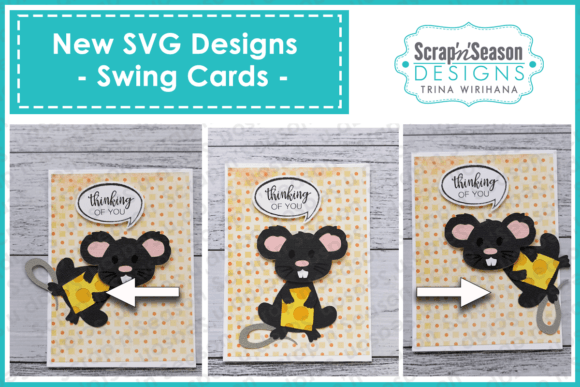
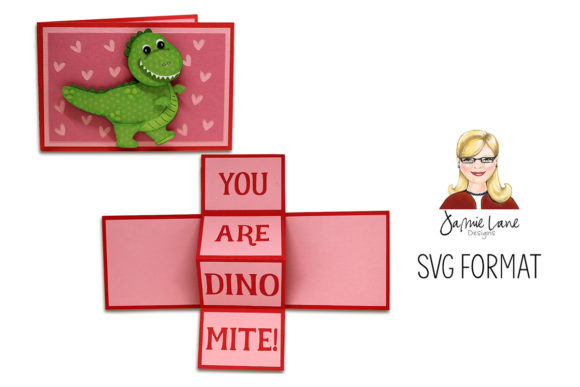
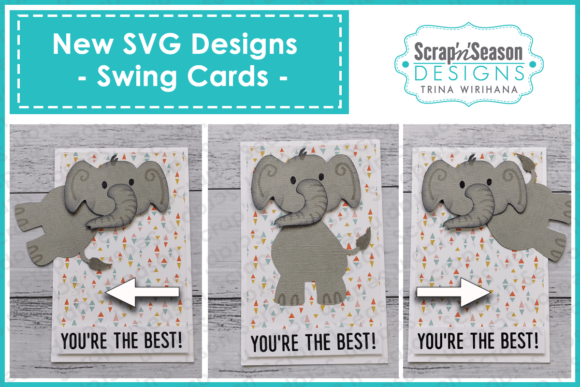
From a technical standpoint, the file structure is robust. The SVG File includes base card cutting file, card mat layer, and character cutout pieces to make this Swing Card. This layered approach is essential for creating depth. In my test project, I followed the guidance that Photos show an example of A2 card we made using this SVG file – NOTE Use a foam dot to attach the layers for dimension. This instruction is key; without the physical separation provided by foam dots or digital shadow effects, the 3D SVG effect is lost.
For digital marketers, this means the asset is versatile. You can use the individual character cutout pieces to create animated social media posts or static PNG design exports with drop shadows. For those in the creative marketplace selling physical goods, the cutting files are precise, ensuring clean edges for paper crafts, stickers, or packaging inserts. The inclusion of a card mat layer adds a professional framing element that helps ground the character, preventing it from looking like it is floating aimlessly in white space.
Strategic Applications in Marketing and Branding
The true value of any design bundle is its versatility across channels. I tested the Swing Card - Elephant across several touchpoints to determine its efficacy in real-world scenarios.
- Social Media Graphics: The asset performs exceptionally well on Instagram and Pinterest. Its vertical orientation fits perfectly within story templates and pin layouts. When used as a central focus, it draws the eye immediately, improving engagement rates.
- Packaging Design and Product Labels: For small businesses, adding a dimensional element to packaging can justify a premium price point. Using this clipart or illustration on box lids or thank-you cards adds a tactile experience that customers love to share online.
- Email Banners and Web Design: While primarily a cut file, the vector nature of the SVG design allows for scalable use in email headers. It breaks up text-heavy newsletters, providing a visual rest point that guides the reader toward the call-to-action.
- Printable Promotions and Lead Magnets: As a printable design, it works beautifully in planners or coloring pages offered as lead magnets. This builds an email list while providing immediate value to the subscriber.
When considering brand identity and logo design, this asset serves better as a secondary graphic element rather than a primary logo. It supports the brand narrative but should not replace the core logotype. However, for editorial design in blog posts or magazines, it acts as a strong decorative brand element that reinforces thematic consistency.
Enhancing Visual Hierarchy and Campaign Goals
A common challenge in marketing visuals is maintaining a clear visual hierarchy. The Swing Card - Elephant aids in this by providing a distinct focal point. In a cluttered digital ad, a simple, bold shape can anchor the composition. By placing the elephant in the center or using it to frame text, you create a natural flow for the viewer’s eye.
This leads to stronger first impressions and more memorable campaign visuals. When audiences see consistent use of unique Shapes across digital ads, Facebook ads, and website headers, it builds recognition. Over time, this consistency fosters audience trust. Customers begin to associate the playful, high-quality aesthetic of the elephant swing with the reliability of the brand itself. It transforms a generic promotion into a branded experience.
Where to Use Caution: Limitations and Best Practices
Despite its strengths, the Swing Card - Elephant is not a universal solution. There are specific contexts where it should be used carefully or avoided entirely.
- Formal Corporate Branding: If your brand voice is strictly serious, legal, or financial, this whimsical asset may undermine your authority. It clashes with overly minimal brands that rely on stark typography and negative space.
- Dense Information Layouts: Do not place this asset in areas with heavy text. It competes for attention. In text-heavy ads or detailed infographics, it can cause visual noise rather than clarity.
- Small Mobile Graphics: While scalable, intricate details of the swing mechanism may get lost on small mobile screens if not simplified. Always preview your designs on mobile devices to ensure the illustration remains recognizable.
- Low-Contrast Backgrounds: The asset relies on clear edges to define its 3D nature. Placing it on busy patterns or low-contrast backgrounds will make it look messy and unprofessional.
Practical Designer Notes for Implementation
To get the most out of this commercial design asset, I recommend a few practical steps before launching your campaign. First, test the elephant with your existing brand color palette. While the default black cut is classic, experimenting with brand colors can create a more cohesive look. Check how it appears in black and white to ensure it holds up in single-color printing scenarios, such as newspaper ads or embossed stationery.
Second, pair the asset with appropriate typography. It pairs wonderfully with handwritten fonts or soft serif fonts that echo its organic curves. Avoid harsh, industrial display fonts that might clash with the playful mood. Review spacing and balance carefully; ensure there is enough breathing room around the elephant so it does not feel cramped.
Finally, always confirm the commercial license terms. If you are using this for client work, paid campaigns, or as part of a Canva template you intend to sell, understanding the usage rights is critical. Most assets from the creative marketplace allow for end-product sales but restrict reselling the raw file. Ensure you are compliant to protect your business.
In conclusion, the Swing Card - Elephant is a powerful tool for designers and marketers looking to add personality and dimension to their work. When used strategically, it enhances product presentation, supports content marketing goals, and delivers a polished, professional appearance that resonates with today’s visually savvy audiences.