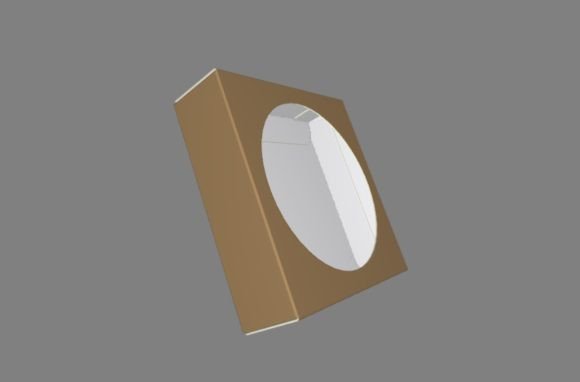
Triangle Box Template: A Designer’s Practical Review
As a designer who has spent years navigating the intersection of digital assets and physical textile creation, I approach every new file with a specific set of questions. Will this translate well to thread? Does the geometry hold up under the tension of a hoop? Is it versatile enough for both a quick hobby project and a high-end commercial product? Recently, I evaluated the Triangle Box Template, a digital asset categorized under Shapes and formatted as a 3D SVG. While my primary expertise lies in machine embroidery, understanding how geometric templates function across various crafting mediums is essential for creating cohesive brand aesthetics. Here is my honest assessment of how this template performs in real-world design scenarios.
First Impressions: Geometry Meets Texture
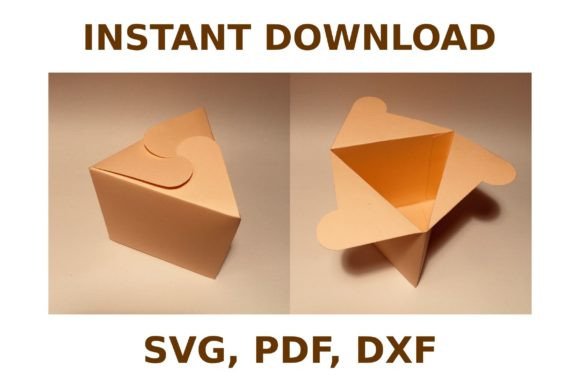
The first thing that strikes me about the Triangle Box Template is its clean, structural integrity. In the world of embroidery, we often deal with organic shapes or complex illustrative elements, but there is a distinct elegance in pure geometry. This template offers a crisp, modern mood that feels contemporary and minimalist. For an embroidery designer, this suggests a project that relies on precision rather than density. The visual personality is quiet but confident, making it an excellent candidate for brands that value simplicity and modern design language.
When I visualize this shape stitched out, I am immediately thinking about line quality. A triangle box implies sharp corners and straight edges. In embroidery, these are challenging areas where thread can bunch or pull if the digitizing or stitch placement isn't perfect. However, since this is provided as a 3D SVG, DXF, and PDF, it serves primarily as a cutting template or a foundational guide. This versatility is a significant advantage. It allows me to use the shape not just as a stitched outline, but as a cut-out applique piece or a structured patch base, giving me more control over the final texture of the finished product.
Real-World Application: From Concept to Client
To truly test the viability of any design asset, I place it in a realistic client scenario. Imagine a local boutique owner approaching me for a line of eco-friendly tote bags. They want something geometric, modern, and gender-neutral. The Triangle Box Template fits this brief perfectly. I can envision using the SVG file to cut a sturdy canvas or felt shape, which is then appliqued onto a natural cotton tote bag design. The sharp lines of the triangle contrast beautifully with the soft, woven texture of the fabric.
Alternatively, consider a sweatshirt embroidery project for a streetwear brand. Here, the template could serve as the boundary for a dense fill stitch background, with a contrasting satin stitch border defining the edges. The 3D aspect of the SVG suggests depth, which can be mimicked in embroidery by using varying thread weights or layering fabrics. This kind of thoughtful application elevates a simple handmade product into something that feels curated and professional. For Etsy sellers and small shop owners, having a reliable geometric base like this allows for rapid prototyping of new items without starting from scratch every time.
Navigating Technical Challenges in Embroidery
While the aesthetic appeal is clear, practical execution requires caution. Geometry is unforgiving. When working with a shape like the Triangle Box Template, the corners are your critical points. If you are stitching this directly onto fabric, you must pay close attention to your stitch density. Too dense, and the fabric will pucker, distorting the perfect triangle into a warped mess. Too light, and the underlying fabric might show through, breaking the visual continuity.
I recommend using a high-quality cut-away stabilizer for this type of design, especially if you are working on stretchy fabrics like jersey knits for custom apparel or baby clothes. The stability of the base material is crucial for maintaining the sharp angles of the triangle. Furthermore, if you are using this as a guide for an applique design, ensure your tack-down stitches are precise. Any deviation will be obvious because the human eye is naturally drawn to symmetry and straight lines.
Another consideration is the hoop size. While the template measurements depend on paper size, you must scale it appropriately for your embroidery machine’s hoop. Avoid shrinking the design too small for intricate details if you plan to add internal patterns. On curved surfaces, such as caps or hats, a large geometric shape can distort. In these cases, I advise testing the design on a similar curved scrap piece first to see how the fabric tension affects the final look.
Enhancing Visual Appeal and Brand Value
Why choose a geometric template over a freehand sketch? Consistency. For commercial embroidery projects and craft business owners, consistency builds trust. The Triangle Box Template provides a repeatable element that can become part of your brand’s visual identity. Whether it is used on embroidered patches, pillow covers, or kitchen towels, the recognizable shape creates a cohesive collection.
The use of thread colors plays a massive role here. A monochromatic look, where the thread matches the fabric but relies on texture and sheen, creates a subtle, sophisticated effect ideal for high-end home decor. Conversely, high-contrast thread colors can make the triangle pop, making it suitable for children’s items or bold fashion statements. When creating printable mockups for your online store, try displaying the design in both black and white to check for clarity. If the shape holds its definition in grayscale, it will likely perform well in color.
Practical Notes for the Serious Maker
Before you commit to a full production run, here are my top recommendations for working with this asset:
- Test on Scrap Fabric: Always stitch a sample on the exact fabric you intend to use. Fabric texture can dramatically change how a geometric shape appears.
- Check File Compatibility: The archive contains SVG, DXF, and PDF files, compatible with Silhouette and Cricut. If you are converting these for machine embroidery, ensure your software handles the vector paths correctly to avoid jagged edges.
- Review Stitch Types: If digitizing this for embroidery, consider using a running stitch for a delicate, sketched look, or a wide satin stitch for a bold, graphic finish.
- Verify Licensing: Always confirm the license terms before selling finished items. While the template is tested for quality, your commercial rights depend on the specific agreement provided with the download.
- Consider the End Use: For items that will be washed frequently, like baby embroidery projects or tea towels, ensure your stitch-out is secure and the stabilizer is trimmed close to prevent irritation or unraveling.
Final Verdict
The Triangle Box Template is a solid addition to any designer’s library of design assets. It is not just a shape; it is a building block for modern, structured designs. Its strength lies in its versatility and clean lines, which challenge the creator to execute with precision. For the embroidery project that demands a contemporary edge, this template delivers. Just remember that with great geometric clarity comes the need for technical accuracy. Respect the corners, choose your stabilizer wisely, and let the simplicity of the shape speak for itself. Whether you are creating a personalized gift or expanding your small shop product line, this tool offers the reliability and style needed to produce professional-grade work.