Reviewing the Gift Box Template for Embroidery
As a designer who has spent countless hours digitizing and testing files for real-world application, I approach every new machine embroidery design with a mix of curiosity and skepticism. We have all been there: you download a file that looks pristine on the screen, only to find it puckers the fabric or loses its charm once the needle hits the cloth. Today, I am taking a close look at the Gift Box Template, Box DXF, A4 Template. This is not just a digital asset; it is a potential cornerstone for small shop products and personalized gifts. My goal here is to evaluate how this specific 3D SVG and cut-file hybrid performs when translated into thread and fabric, offering practical insight for fellow embroidery designers, Etsy sellers, and craft business owners.
First Impressions: Structure Meets Simplicity
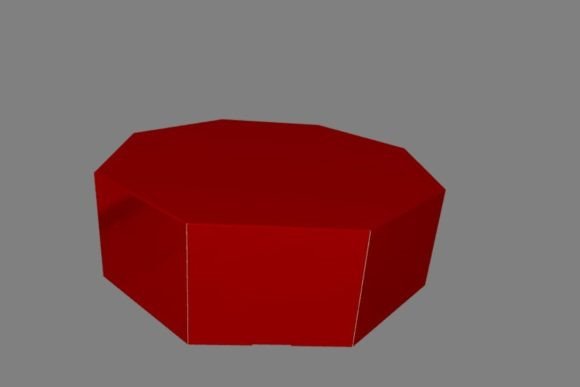
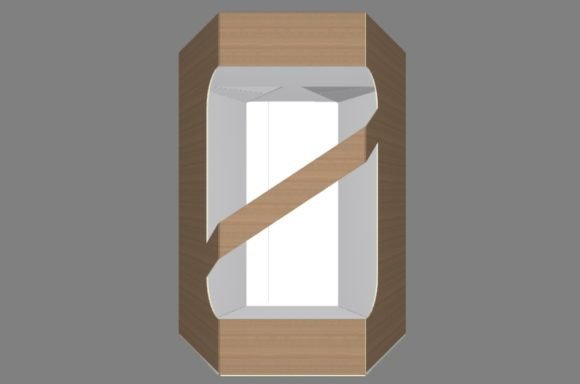
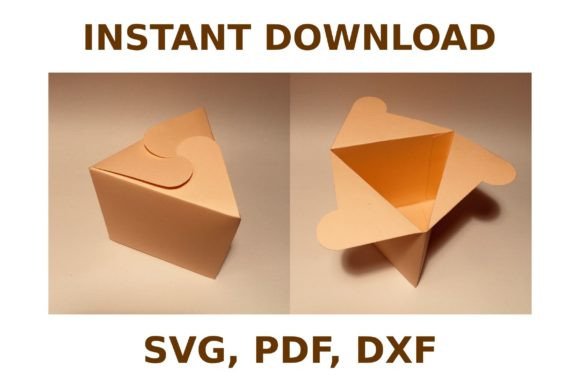
The immediate appeal of the Gift Box Template, Box DXF, A4 Template lies in its clean, geometric personality. In the world of Shapes, a gift box is deceptively simple. It requires precise lines to convey the illusion of three-dimensionality without becoming visually cluttered. When I first opened the files, I was looking for clarity. The dimensions provided—13.5×3 cm or 5.31”x1.18”—suggest a long, slender profile. This is an interesting constraint. It is not a square box; it is elongated. This specific proportion makes it ideal for certain applications, such as branding on tote bags or creating slim decorative accents on aprons, where a bulky square design might overwhelm the garment.
The fact that this product includes scalable vector formats like SVG, DXF, EPS, and PNG means it is versatile. However, as an embroiderer, my primary concern is how these vectors translate into stitch paths. A clean vector does not always equal a clean embroidery file. The visual mood here is modern and minimal. It feels appropriate for boutique branding, holiday gifts, and contemporary home decor. It lacks the ornate flourishes of vintage designs, which is a strength if you are targeting a modern customer base looking for sleek, professional-looking handmade products.
Real-World Application: From Digital File to Finished Product
Let us imagine a realistic scenario. You run a small online shop specializing in custom apparel. A client requests a set of matching sweatshirts for a holiday party, featuring a subtle, elegant graphic on the sleeve or chest. This is where the Gift Box Template, Box DXF, A4 Template shines. Because of its slender 5.31-inch width, it fits comfortably within standard hoop sizes without requiring excessive repositioning. I can visualize this design stitched in a monochromatic thread color on a heather grey sweatshirt. The result would be understated yet recognizable, adding value to the custom apparel without screaming for attention.
Another practical use case is in the creation of embroidered patches. If you are using this design as an applique or a dense fill stitch patch, the linear nature of the box allows for crisp edges. For baby embroidery projects, such as a bib or a onesie, the simplicity ensures that the design remains soft and approachable. Complex, dense designs can sometimes feel heavy on delicate baby fabrics, but a streamlined shape like this maintains a light visual weight. It also works beautifully for tote bag designs. Imagine a canvas tote with this gift box motif stitched near the bottom corner in a contrasting thread color. It serves as a subtle brand marker or a festive holiday accent, enhancing the perceived quality of the finished product.
Navigating Technical Challenges and Fabric Choices
While the design is appealing, we must discuss where caution is needed. Embroidery is unforgiving of poor planning. The 13.5×3 cm dimension is narrow. If you are working with textured fabrics, such as thick terry cloth towels or fuzzy fleece blankets, the finer details of the box’s structure might get lost. In these cases, I recommend increasing the stitch density slightly or opting for a satin stitch border to define the edges more clearly against the fabric texture.
Stretchy fabrics present another challenge. If you are applying this to a cap or a curved surface, the elongated shape could distort if not properly stabilized. Always use a high-quality cutaway stabilizer for stretchy materials to ensure the Gift Box Template, Box DXF, A4 Template retains its geometric integrity after washing. For dark fabrics, consider using a lighter thread color to ensure visibility, or test a running stitch outline first to check for registration accuracy. Tiny lettering or intricate corners can sometimes cause thread breaks if the digitizing is too tight, so inspecting the stitch path in your software before loading it onto the machine is a crucial step.
Enhancing Brand Consistency and Customer Trust
For commercial embroidery projects, consistency is key. Using a standardized shape like this gift box can help build brand recognition. If you sell printable mockups or digital embroidery files, having a cohesive library of shapes helps customers visualize the final outcome. This design contributes to a professional aesthetic. When a customer receives a personalized gift with a clean, well-stitched design, it builds trust in your craft business. It signals that you pay attention to detail and quality. The versatility of the file formats—PDF, JPG, EPS, PNG, SVG, and DXF—also means you can use the same visual asset for marketing materials, social media posts, and physical products, ensuring your brand looks consistent across all platforms.
Practical Designer Notes for Best Results
Before you commit to stitching this on a final product, here are my top recommendations for testing and preparation:
- Test on Scrap Fabric: Always run a test stitch-out on the same type of fabric you plan to use for the final item. This helps you identify any tension issues or puckering before ruining good material.
- Check Thread Contrast: Experiment with different thread colors. A monochromatic look offers sophistication, while high-contrast threads create a playful, bold effect. View your design in black and white mockups to ensure the shape holds up without color reliance.
- Review Stitch Density: If the file allows for editing, check the stitch density. For lightweight fabrics, reduce density to prevent stiffness. For heavy denim or canvas, you may need a denser fill to cover the fabric texture adequately.
- Confirm Hoop Size: Ensure your machine’s hoop can accommodate the 5.31-inch width comfortably, leaving enough margin for the frame to grip the fabric securely without hitting the design.
- Licensing Verification: Since this product is marketed for both personal and business use, always double-check the specific license terms included in the ZIP file. Confirm whether you can sell finished items or if there are restrictions on mass production.
- Stabilizer Selection: Match your stabilizer to your fabric. Use tear-away for stable woven fabrics and cut-away for knits and stretchy materials to maintain the shape of the gift box over time.
In conclusion, the Gift Box Template, Box DXF, A4 Template is a solid addition to any designer’s library. It is not overly complex, which makes it accessible for hobbyists, yet its clean lines offer enough professionalism for commercial embroidery projects. By understanding its proportions and respecting the technical requirements of different fabrics, you can leverage this design to create high-quality, appealing products that resonate with customers. Whether you are making holiday embroidery for friends or stocking your Etsy shop with unique items, this template provides a reliable foundation for creative expression.