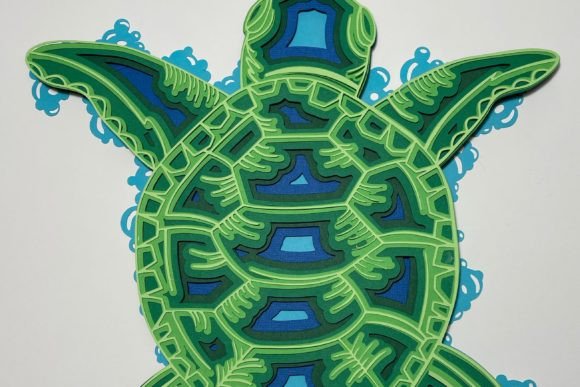
Layered Turtle 3D SVG for Animals
As a brand designer who has spent the last decade helping small businesses and creative entrepreneurs refine their visual identity, I have learned that the difference between a forgettable post and a high-converting campaign often lies in the details. Recently, I was tasked with refreshing the digital presence of a boutique eco-friendly lifestyle brand. The client needed assets that communicated patience, nature, and craftsmanship without feeling cluttered. This is where the Layered Turtle caught my eye. It is not just a simple illustration; it is a strategic graphic design asset designed to elevate modern design projects.
First Impressions: Mood and Audience Perception
When I first opened the files, the immediate impression was one of structured elegance. The layered approach gives the image depth, creating a pseudo-3D effect that stands out against flat design trends. For brands targeting audiences interested in sustainability, mindfulness, or handmade goods, this mood is invaluable. It creates an emotional tone of calmness and reliability. Unlike generic clipart that can make a brand look amateurish, this illustration feels intentional and curated. It supports professional branding by adding a touch of whimsy while maintaining a clean, sophisticated aesthetic. Whether you are working on casual branding for a blog or premium visuals for a product launch, the Layered Turtle adapts seamlessly.
Integrating the Asset into Real Marketing Workflows
In our specific case study, we used the Layered Turtle as the centerpiece for a spring product launch. The versatility of the file formats meant we could deploy it across multiple channels without losing quality. For social media graphics, particularly Instagram posts and Pinterest pins, the crisp lines of the SVG design allowed us to scale the image up for stories or down for feed posts without pixelation. This is crucial for maintaining visual hierarchy and ensuring your marketing visuals remain sharp on high-resolution mobile screens.
We also utilized the asset in our email banners. By pairing the turtle with a soft, earth-toned color palette, we created a cohesive look that reinforced audience trust. The design did not compete with the call-to-action button; instead, it guided the eye toward the content. This is a key principle in effective content marketing: using decorative brand elements to support, not distract from, the main message. For digital ads, the PNG design option provided a transparent background that made integration into various ad templates effortless, saving hours of editing time.
Enhancing Brand Identity and Packaging Design
Beyond digital use, the Layered Turtle proved to be a powerful tool for physical branding. We incorporated it into the packaging design for a new line of organic skincare products. The 3D SVG nature of the file allowed us to send precise cut files to our manufacturer for embossed labels. This tactile element significantly improved the perceived value of the product. For small business branding, such attention to detail in product label design can be the deciding factor in a customer’s purchase decision.
Furthermore, we used the asset to create a series of stickers and merchandise items. These served as excellent lead magnets and loyalty rewards. The ability to manipulate the layers meant we could create variations of the design, keeping the content fresh for repeat customers. This flexibility is essential for anyone managing a creative marketplace store or selling digital products, as it allows for the creation of a diverse design bundle from a single core asset.
Strategic Placement: Where It Works Best
To get the most out of this graphic design asset, you must understand where it shines. It is ideal for hero graphics on website headers, where its detailed structure can be appreciated. It works beautifully in editorial design layouts for blogs or magazines, breaking up text and adding visual interest. For event flyers and posters, the Layered Turtle serves as a strong focal point that draws attention without overwhelming the information. It is also perfect for Canva template creators who want to offer their clients unique, high-quality illustrations that stand out from standard library options.
The asset is particularly effective when used in content bundles. By combining the turtle with complementary typography and color schemes, you can create a comprehensive kit for social media managers. This ensures consistent branding across all platforms, which is vital for building recognition and trust. Whether you are designing for web design projects or printable promotions, the layered structure offers endless customization possibilities.
Cautionary Notes: When to Use Carefully
However, no design asset is a one-size-fits-all solution. There are scenarios where the Layered Turtle should be used with caution. For formal corporate branding, such as law firms or financial institutions, the whimsical nature of the animal theme might not align with the desired serious tone. Additionally, in dense information layouts or text-heavy ads, the intricate layers of the 3D SVG could become visual noise if not scaled correctly.
I also advise against using it on low-contrast backgrounds. If the colors of the turtle blend too much with the background, the detailed layers will lose their impact. For overly minimal brands that rely on stark simplicity, this asset might feel too decorative. Always test readability in small sizes. On tiny mobile graphics, the fine details of the layers may disappear, reducing the design to a blurry shape. In such cases, a simplified version or a solid silhouette might be more effective.
Practical Designer Notes for Implementation
Before launching any campaign with this asset, I recommend a few practical steps. First, test it with your specific brand color palette. While the default colors are beautiful, customizing them to match your brand identity ensures cohesion. Check how it looks in black and white, as this is often required for faxed documents or single-color printing. Place the Layered Turtle inside real campaign mockups to see how it interacts with other elements. Preview it on mobile screens to ensure it remains impactful at smaller sizes.
Compare it against competitor visuals to ensure your brand stands out. Experiment with different typography pairings. I found that it pairs exceptionally well with serif fonts for a classic look, sans serif fonts for a modern feel, and script or handwritten fonts for a personal, artisanal touch. Review spacing and balance carefully; give the illustration enough breathing room to let its layers shine. Finally, always confirm the commercial license terms. Understanding your rights is essential when using design assets in paid campaigns, client work, or for resale in digital products. This ensures you are protected and operating within legal boundaries.
In conclusion, the Layered Turtle is more than just an illustration of an animal. It is a versatile, high-quality graphic design asset that can significantly enhance your marketing visuals. From strengthening first impressions to improving engagement through better product presentation, it offers tangible value for brand owners, content creators, and designers. By understanding its strengths and limitations, you can leverage this 3D SVG to create memorable, professional, and emotionally resonant campaigns that truly connect with your audience.